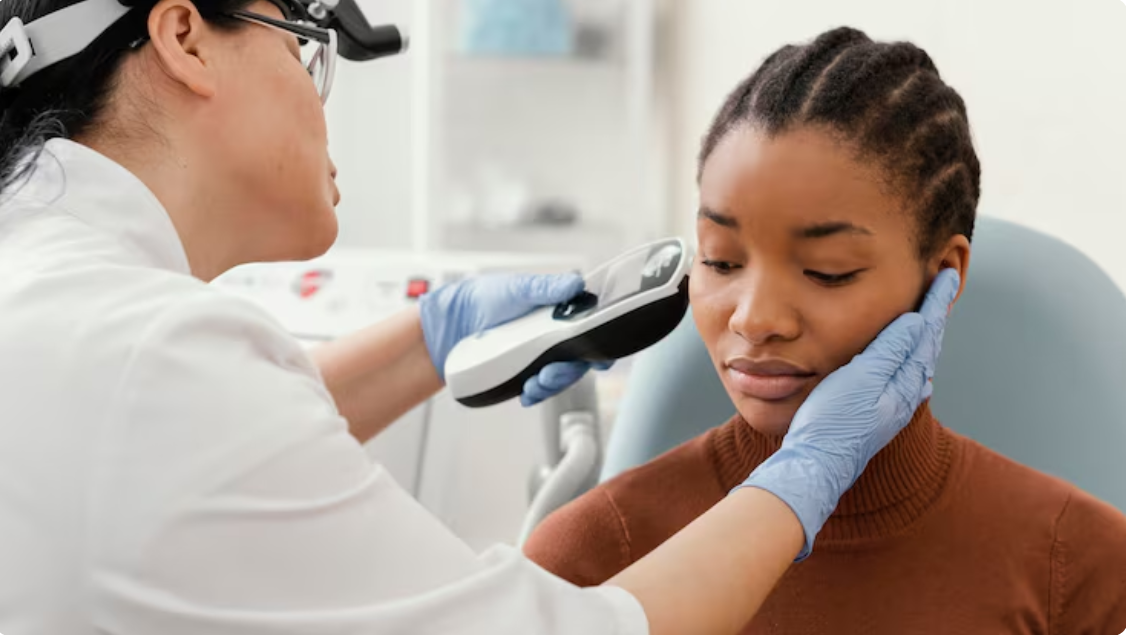

For many people, the idea of jaw surgery sounds extreme. It is often associated with dramatic facial change or severe trauma. In reality, surgical intervention in the jaw is frequently about restoring stability, protecting joint health, and preserving long-term function.
Modern oral and maxillofacial surgery is not simply about correcting appearance. It is a highly specialized field focused on the relationship between bone, joints, muscles, and airway dynamics. When conservative treatments fail or structural damage progresses, surgical management may become the most predictable path forward.
Understanding when and why this happens requires a closer look at how the jaw system works—and what occurs when it begins to fail.
The Jaw as a Load-Bearing System
The lower jaw (mandible) is constantly under pressure. Every time you chew, speak, swallow, or yawn, force travels through the teeth into the temporomandibular joints (TMJs). These joints absorb thousands of micro-movements daily.
Unlike hips or knees, the TMJs must coordinate precisely with the bite. If the teeth do not meet evenly, the joints compensate. If one joint deteriorates, the bite may shift. If the bite shifts, muscle strain increases.
This interdependence means that joint problems, skeletal misalignment, and bite instability often evolve together.
Progressive TMJ Degeneration: What It Looks Like
Some joint problems are temporary. Others are degenerative.
Degenerative TMJ conditions may involve:
- Loss of joint cartilage
- Collapse of joint height
- Disc breakdown
- Arthritic bone changes
- Inflammatory resorption
As joint structure deteriorates, the lower jaw may rotate backward. This can lead to:
- Worsening overbite
- Open bite development
- Facial shortening
- Increased strain during chewing
- Airway narrowing
In advanced cases, conservative therapies may not stop the progression. At that point, surgical intervention may be considered to stabilize or replace the joint.
Total TMJ Replacement: A Structural Solution
When the joint itself has become severely damaged, total TMJ replacement may be recommended. This involves replacing the diseased joint components with prosthetic materials designed to restore function and stability.
Unlike temporary splints or injections, joint replacement addresses the structural failure directly.
Indications may include:
- End-stage joint degeneration
- Ankylosis (fusion of the joint)
- Severe inflammatory arthritis affecting the TMJ
- Failed previous joint surgeries
- Chronic pain with documented structural collapse
The goal is not simply pain relief. It is restoring jaw position, improving bite stability, and protecting the remaining anatomy from further deterioration.
Orthognathic Surgery and Joint Stability
In some patients, jaw misalignment contributes to joint overload. Correcting skeletal imbalance through orthognathic surgery may redistribute forces more evenly across both TMJs.
Examples include:
- Advancing a retruded lower jaw
- Repositioning the upper jaw for bite harmony
- Correcting asymmetry that places uneven stress on one joint
What makes these cases complex is that TMJ health and jaw alignment must be planned together. Ignoring the joint while repositioning the jaw can lead to relapse or continued dysfunction.
This integrated planning approach is central to long-term stability.
Revision Surgery: Why Initial Outcomes Sometimes Change
Jaw surgery is carefully planned, but long-term outcomes depend on biological response and joint stability. In some cases, patients experience relapse months or years after surgery.
Reasons can include:
- Undiagnosed TMJ degeneration at the time of original surgery
- Progressive joint resorption
- Skeletal instability
- Incomplete correction of underlying pathology
Revision surgery is often more technically demanding than primary surgery. Scar tissue, altered anatomy, and previous hardware must all be considered.
Careful diagnostic evaluation is essential before any secondary intervention.
Craniofacial Deformities and Functional Correction
Beyond TMJ and bite issues, some patients present with congenital or developmental craniofacial deformities affecting the jaws, cheekbones, or midface.
These conditions can influence:
- Facial symmetry
- Eye support
- Airway volume
- Speech clarity
- Chewing efficiency
Correcting craniofacial imbalance often involves detailed surgical planning and coordination between orthodontics and surgical intervention. The objective is functional harmony, not cosmetic perfection.
The Airway Factor in Jaw Reconstruction
One of the most important developments in jaw surgery over the past decades has been increased awareness of airway considerations.
The jaws form the skeletal boundary of the oral cavity and directly influence tongue posture. If the lower jaw sits too far back, the airway behind the tongue may become restricted, particularly during sleep.
In selected cases, repositioning the jaws forward can:
- Increase airway space
- Reduce obstruction risk
- Improve breathing efficiency
Not every patient with airway issues requires surgery, but structural analysis can reveal whether anatomy plays a significant role.
The Importance of Specialized Expertise
Complex jaw conditions require more than routine dental care. They demand advanced imaging, joint evaluation, skeletal analysis, and long-term stability planning.
A comprehensive evaluation by a Maxillofacial Surgeon can determine whether symptoms stem from muscular strain, joint degeneration, skeletal misalignment, or a combination of factors.
Accurate diagnosis is critical. Surgery is not always the answer—but when structural problems are clearly identified, it can provide a definitive solution that conservative care cannot achieve.
Final Thoughts
Jaw disorders can gradually erode quality of life. They may affect sleep, eating, facial balance, and daily comfort. Because the jaw is both a joint system and a structural framework, treatment decisions must consider the full anatomy—not just isolated symptoms.
For patients dealing with persistent TMJ dysfunction, failed prior surgeries, progressive bite changes, or complex craniofacial conditions, understanding the structural foundation of the problem is the first step toward resolution.
In advanced cases, surgical expertise becomes not about changing appearance, but about restoring stability, function, and long-term health.